
ROGER CHENN discusses an explosion of irreverent Chinese memes mocking the late Kobe Bryant that has not been covered in Western Media.
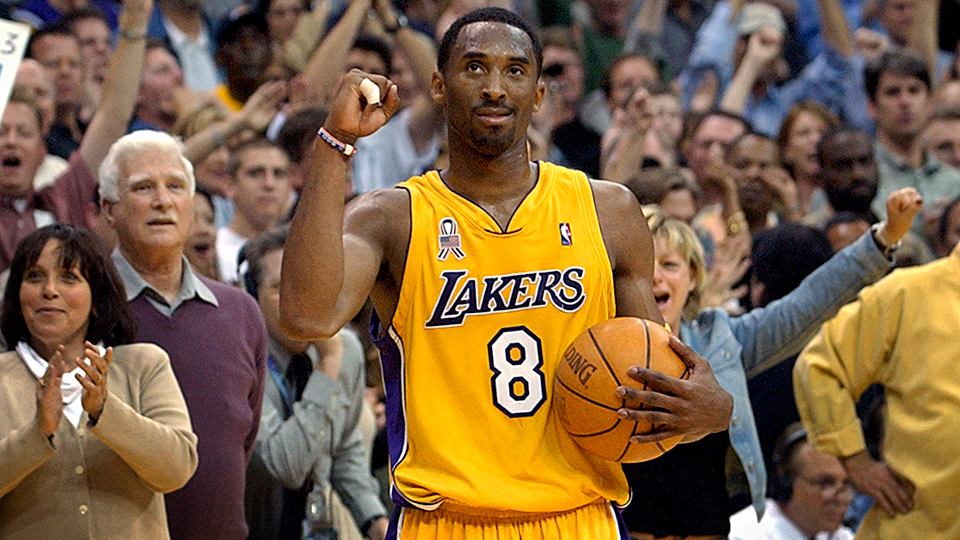
If you don’t know, Kobe Bryant is a popular meme in China, especially after his tragic death in 2020. The portrait of Kobe Bryant below has been photoshopped, repurposed, and reused millions of times, becoming increasingly ridiculous. To a Western audience, this kind of humor—joking about a deceased public figure—might seem grossly inappropriate, but memes like this are gaining widespread popularity in China. I will seek to explain and analyze the phenomenon behind this meme that symbolizes the Chinese Youth of 2023.

When news of Kobe Bryant’s tragic helicopter crash reached China, a flood of people took to platforms like WeChat and Weibo to express their sorrow and grief. However, many of these so-called fans seemed to know little about Kobe himself, merely copying posts from others who had shared condolences. This behavior mirrors a common practice in China whenever prominent figures, especially political leaders, pass away. There is a perceived social obligation—perhaps even a sense of political correctness—to publicly post tributes, not only to show respect but also, by extension, to display loyalty to the country. As a result, the outpouring of copypasta was filled with factual inaccuracies, and this insincerity didn’t go unnoticed. Genuine fans were frustrated by these hollow tributes, and the backlash against these superficial posts damaged both Kobe Bryant’s legacy and the NBA’s reputation in China.
At the same time, a subculture of the Chinese internet is gaining popularity: Chouxiang Culture (抽象文化). Originating from Baidu Tieba in 2015—China’s male-dominated answer to Reddit—it gained significant traction with the emergence of short-form video platforms like Douyin and Kuaishou. Chouxiang memes often feature vulgar language and demeaning mockery of public figures, such as streamers and celebrities. One infamous example is the relentless trolling of streamer Sun Xiaochuan (孙笑川), whose image was photoshopped in black and white, symbolizing death in Chinese funeral traditions, or altered with Hitler-style mustaches to turn him into a “Japanese Devil.” Sun would gain nicknames such as “God Emperor of Japan” (天皇), “Kameda Kagawa” (龟田笑川), and “Pig” (猪), essentially becoming persona non grata in the lens of Western culture. Paradoxically, these memes only fueled his popularity, attracting more viewers who came to witness the spectacle of trolling and mockery. However, Sun’s career ended in 2018 as the same trolls reported his stream to government authorities in a prank that went too far.
Chouxiang memes usually evolve from crude trolling and inappropriate mockery into increasingly abstract forms of humor, incorporating specific slang, imagery, and sounds that reference the original meme in more subtle ways. These videos are typically shared among younger male audiences, especially students, but occasionally they break out of that circle and spark national debates—often prompting government-led internet cleansing campaigns. Despite these efforts, Chouxiang culture persists, evolving and mutating with each new target.
The same evolution happened to Kobe Bryant’s surge of popularity and meme relevance. When people in Baidu Tieba latched onto the sudden attention and controversy surrounding Kobe—including allegations of domestic abuse—thousands of creators quickly began making memes about the late basketball star. One particular format stood out: a simple portrait of Kobe against a blue background, with a sped-up version of the song “See You Again” playing in the background. This meme gave Kobe the nickname “Laoda” (牢大), a pun blending “big bro” (老大) with “jail” (牢), a nod to both the domestic violence allegations and his reputation for playing rough in the NBA. Even after the meme was broken down into its individual elements—like the song, the color scheme, or even Kobe’s bright smile—viewers would still connect these fragments to the original meme, sparking further propagation.
Another form of meme expression, known as Cloning (复制人), gained popularity alongside the Kobe Bryant phenomenon. Originally, creators on platforms like Douyin and Kuaishou dressed up to respectfully imitate famous figures like Michael Jackson and NBA players. State media praised the good-natured humor of Village NBA (村BA), a league in the mountains featuring player look-alikes. However, with the rise of Chouxiang humor, these imitations became more exaggerated and mocking. Creators began using repetitive jokes and absurd gestures, similar to TikTok’s Glizzbot, turning respectful tributes into over-the-top parodies. The absurdity grew as more creators joined in, drawing large audiences, until state media stepped in to criticize the flood of pointless livestreams, curbing the trend.

Why has Chouxiang culture remained so strong and resilient, even when tackling controversial topics like the inappropriate mockery of Kobe Bryant? I believe the answer lies in its reflection of a deeper linguistic shift in China—a push and pull between state censorship and the innate human drive to express and create. Chinese internet slang, particularly that with subversive or unpatriotic tones, often morphs into puns, acronyms, or abstract terms as keywords are swiftly censored. This dynamic was especially pronounced during the two-year COVID lockdowns, which coincided with the rise of Chouxiang culture and the government’s intensified censorship campaigns. For many young people who grew up under the weight of strict societal pressures, Chouxiang offered a sense of release, especially through the creation and sharing of “Hellish Jokes” (地狱笑话). Initially, it provided an outlet for men frustrated by family expectations and societal norms, with platforms like Baidu Tieba becoming spaces for this discontent. Over time, as economic pressures increased, Chouxiang evolved into a broader outlet for both men and women. The Kobe memes, while deeply controversial, particularly with older generations who couldn’t relate to the dark humor, only gained more traction through this controversy—fulfilling their role as a form of rebellion.
Chouxiang culture is continuing to evolve. After capturing national attention, the previously masculine and aggressive tone has started to shift. On platforms like XiaoHongshu (XHS) and Weibo, which are more popular among women, Chouxiang memes have been reimagined as more light-hearted, abstract forms of humor. This change has allowed women creators to challenge the stereotype that female influencers gain recognition solely through appearance. A great example of this is the “Switch Light and Outfit” challenge (开关灯变装), which began with women switching from casual to sportier outfits for the male audience. As more creators on XHS participated, the challenge evolved into something funnier and more unexpected—mundane clothing became intentionally ugly, and the focus shifted to humor, weird poses, and creative storytelling. This evolution not only subverted the original intent of the challenge but also created space for more authentic, uncensored expression.
Kobe Bryant’s resurgence as a meme in China is not rooted in reverence for the late basketball star, but rather a reflection of Chouxiang culture’s tendency to mock and deconstruct traditional forms of expression, such as public memorials. This phenomenon is emblematic of a growing sense of nihilism among Chinese youth, who, faced with mounting societal and economic pressures, turn to dark humor and absurdity as a coping mechanism. The Kobe memes are less about honoring a beloved athlete and more about subverting the expectations of public mourning, mirroring broader frustrations with performative rituals in Chinese society. Despite censorship efforts, the persistence of these memes could become a key indicator of the deeper frustrations simmering beneath the surface, signaling warning signs for future unrest or shifts in societal attitudes.
Chouxiang memes can not only serve as a benchmark for growing disillusionment among Chinese men, but they also have the potential to recontextualize and reshape social expectations for women. As more women engage with and contribute to this meme culture, it challenges traditional stereotypes and opens up new avenues for self-expression. The Internet’s role in politics and social change is becoming increasingly significant in the West, and while direct political expression is heavily restricted in China, the Internet still holds immense power. It connects people, reveals underlying discontent, and has the ability to subtly shift narratives, making it a crucial space for measuring and understanding the evolving perspectives of China’s youth.
Roger Chenn is a senior at Yale University majoring in Global Affairs with a certificate in Japanese. Having grown up in China, Roger harbors a deep interest in US-China relationship, modern Chinese culture, and Chinese political intricacies. He hopes to bring awareness to interesting stories that showcase a different side of the Chinese people not covered in Western media.